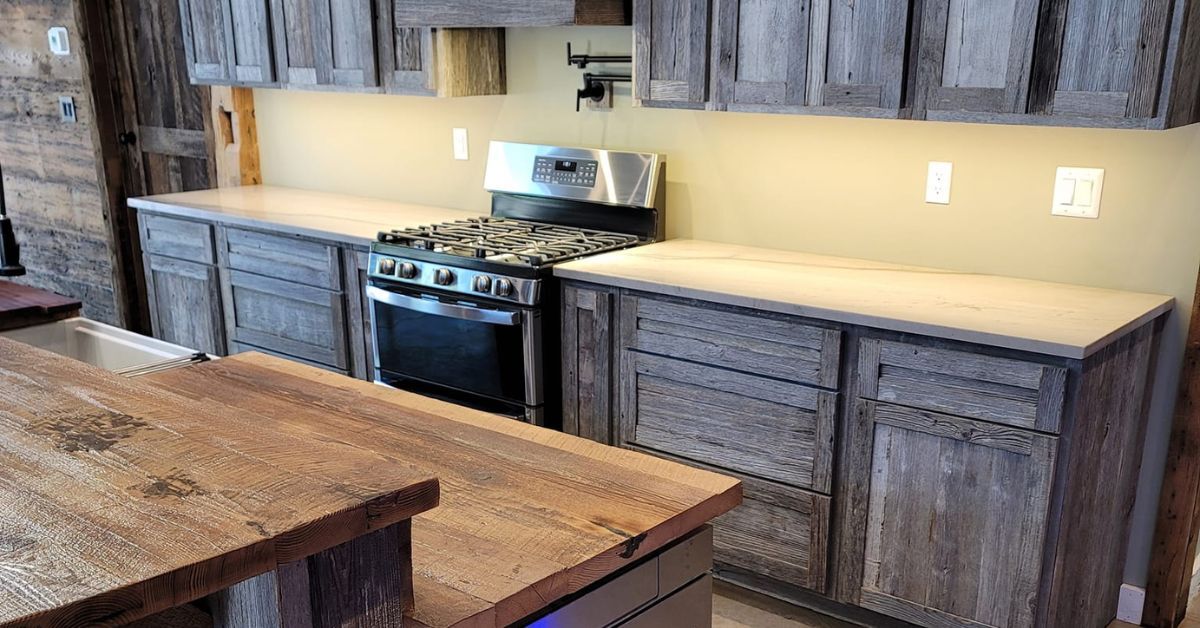
Rustic interiors feel timeless because they celebrate nature, craftsmanship, and comfort. Homeowners love the aesthetic but are sometimes stumped when it comes to putting together a look that isn’t contrived and cluttered. The right materials and details bring the style together without heavy-handed themes or random props. Use the ideas below to map out how to create a cohesive rustic home aesthetic that looks intentional in every room.
Stick to a Neutral, Warm Color Palette
A calm palette can unify rustic spaces more effectively than any single piece of furniture. Shades of beige, cream, taupe, warm gray, and terra-cotta create a subtle backdrop that highlights wood and stone. Earthy greens and browns reinforce the natural theme without competing with textures and grain. Consider how daylight affects the colors: northern light tends to cool tones, while southern light warms them.
Likewise, accent colors should support, not dominate. A muted forest green from a vintage rug or a rusty red from an aged leather chair can serve as highlight colors in throw pillows. Keep accents restrained to maintain a consistent palette from room to room.
Layer Textured Fabrics
Texture carries rustic style across seasons and spaces. Natural fibers such as linen, cotton, wool, and burlap add tactile depth to living rooms and bedrooms. A linen slipcovered sofa and a wool throw with a tight weave feel grounded and comfortable. Aim for a mix of weights to keep the room dynamic rather than flat.
Try this simple layering approach:
- Start with a neutral base fabric for big pieces, like a sofa or duvet.
- Add a medium-weight texture on top, such as a chunky knit or a nubby wool pillow.
- Introduce a subtle pattern with stripes, checks, or herringbone to create movement.
- Finish with a natural-fiber rug that ties the colors and textures together.
Limit the number of patterns, and focus on texture changes instead. That balance keeps a room cozy without visual noise.
Begin With Natural Wood Elements
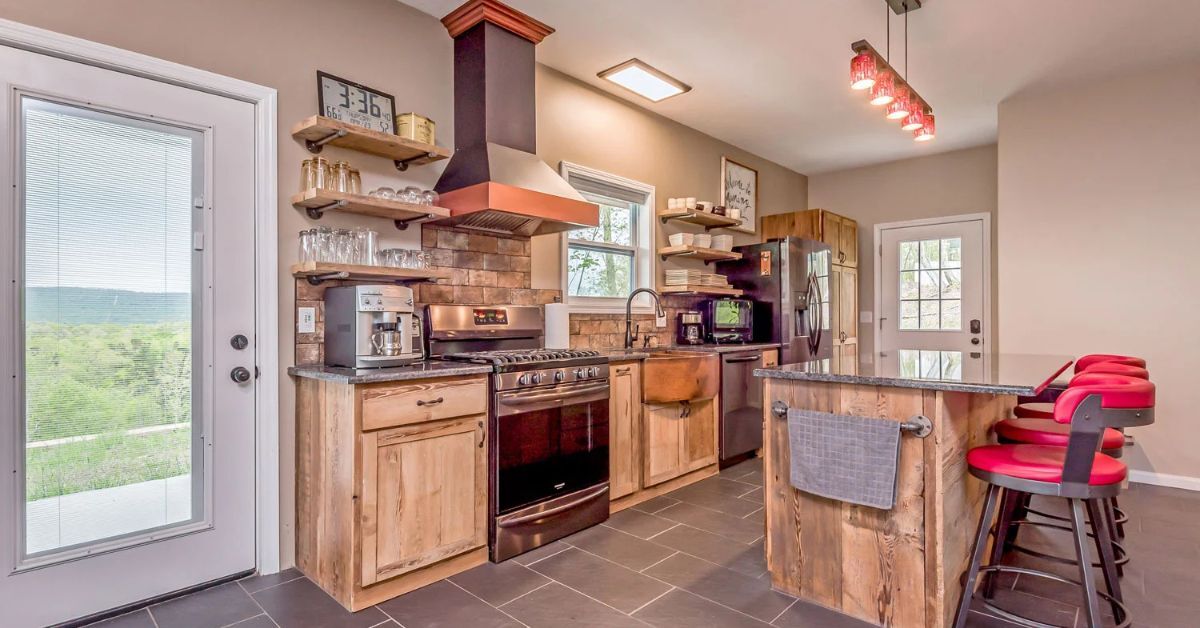
Balance tones carefully, as too many clashing stains can make a room feel busy. You could pair a pale oak floor with a medium walnut dining table, then repeat the walnut tone in a frame or mantel to create a rhythmic effect.
Kitchen cabinetry helps everything read as one story. Consider clean-lined options that still feel warm, such as full-overlay face-frame cabinets, and choose a finish that matches your broader wood palette. Keep the number of different species low, and repeat the same two or three tones throughout the home because using more tones can overwhelm the space.
Incorporate Stone Accents
Stone reinforces the rustic vibe by bringing the outdoors inside with real weight and texture. A stacked-stone fireplace can anchor a living room, while a soapstone or honed granite countertop adds tactile interest in a kitchen. In smaller spaces, stone planters, travertine side tables, or even slate coasters deliver the same effect without a major investment. For cohesion, try repeating the same stone finish in at least two areas.
Pairing stone with wood creates harmony. A pale oak mantel above a fieldstone hearth or a limestone hearth beside a walnut floor feels intentional. Additionally, keep grout and joint lines tidy so the texture reads clearly and adds depth rather than clutter.
Include Industrial Touches
Metal accents add structure that contrasts beautifully with wood and textiles, bringing a crisp edge to warm materials. Iron light fixtures, copper or brass hardware, matte black faucets, and minimal steel shelving are all effective ways to introduce this contrast.
Choose finishes thoughtfully and repeat a metal in at least two places so the look feels intentional. For instance, a black sconce reads as cohesive when echoed in a nearby frame or cabinet pull.
As you decorate your space, remember to keep the amount of metal balanced. A few iron pieces in a room create harmony, while too many compete for attention. Select simple silhouettes so the metal enhances the rustic story without overwhelming it.
Pro Tip
Try mixing and matching different metals, such as brushed bronze, brushed nickel, and wrought iron pieces.
Bring in Nature-Inspired Accessories
Nature-focused accessories soften rooms and reinforce the rustic narrative. Some options for accessories include:
- Potted herbs on a kitchen sill
- A ficus or palm in the dining room
- A bundle of branches in a tall vase
- Woven baskets for storage and texture
You could also rotate accessories with the seasons; swap eucalyptus branches for evergreens in winter, or trade a wool throw for a linen one in warmer months. This rhythm keeps rooms feeling fresh and aligned with the natural materials throughout the home.
Use Layered Lighting
You can also create a cohesive rustic home aesthetic by layering lighting. Warm, layered lighting creates the inviting glow that rustic interiors need. Aim for three types of lighting: ambient overhead lighting, task lighting for reading or cooking, and accent lighting to highlight texture and art. Choose warm-toned bulbs in the 2700K to 3000K range so wood and stone look rich rather than cold.
Candles and discreet string lights add a soft sparkle on evenings and weekends. Dimmer switches provide control without changing fixtures, which helps when the room shifts from active to relaxed.
Pro Tip
Try to vary lamp heights to cast light across different planes to create visual interest.
Maintain Consistency Across Rooms
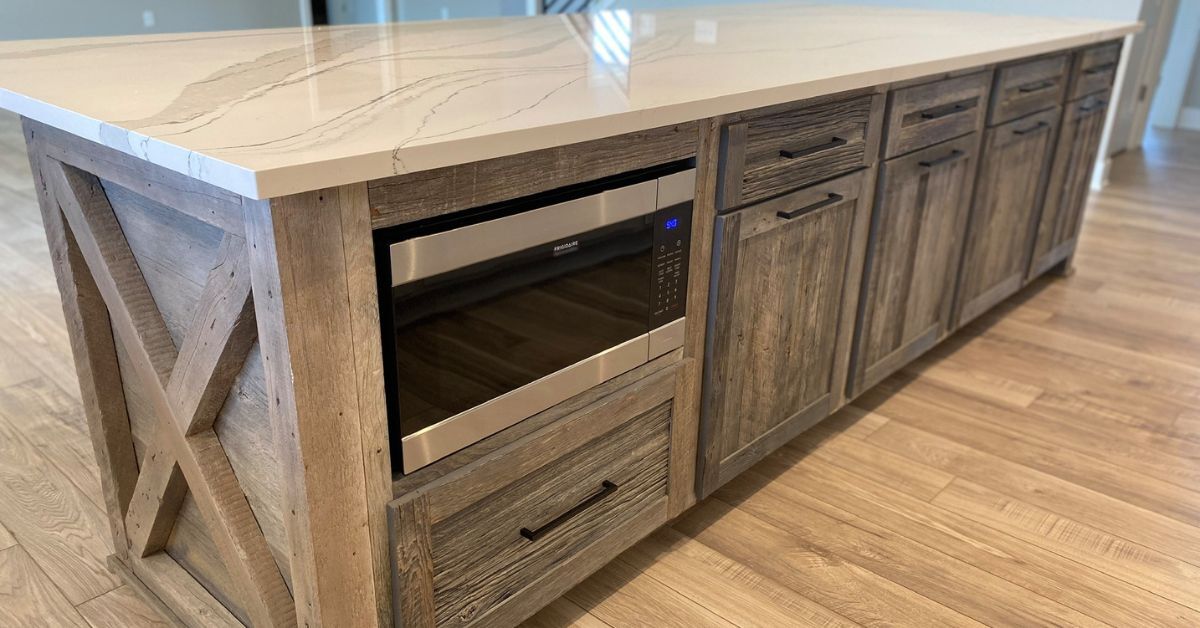
Consistency does not mean sameness; it means repeating a thread that ties spaces together. Begin by selecting a primary wood tone and a secondary accent tone, then carry them from the entry to the bedroom. Keep the wall palette related, even if some rooms use deeper shades. Repeat metals sparingly, and use consistent textile textures across zones so transitions feel calm.
Avoid abrupt shifts in style that break the rustic flow. If the living room leans farmhouse, let the kitchen echo that with shaker profiles and warm hardware. Use a shared rug palette or art style to help open-plan spaces feel connected without matching everything.
Upgrade Your Kitchen
Rustic style thrives on honest materials, touchable textures, and simple forms that age gracefully. Natural wood, a warm palette, layered textiles, stone, vintage finds, and measured metal accents work together when applied with restraint.
Barnwood Kitchen Cabinets is proud to offer rustic-style cabinetry in various finishes. Our collection combines reclaimed and distressed wood with practical designs, allowing homeowners to bring warmth and character to any kitchen. With mindful choices and consistent accents, your home can embody rustic charm that feels curated and inviting.
